
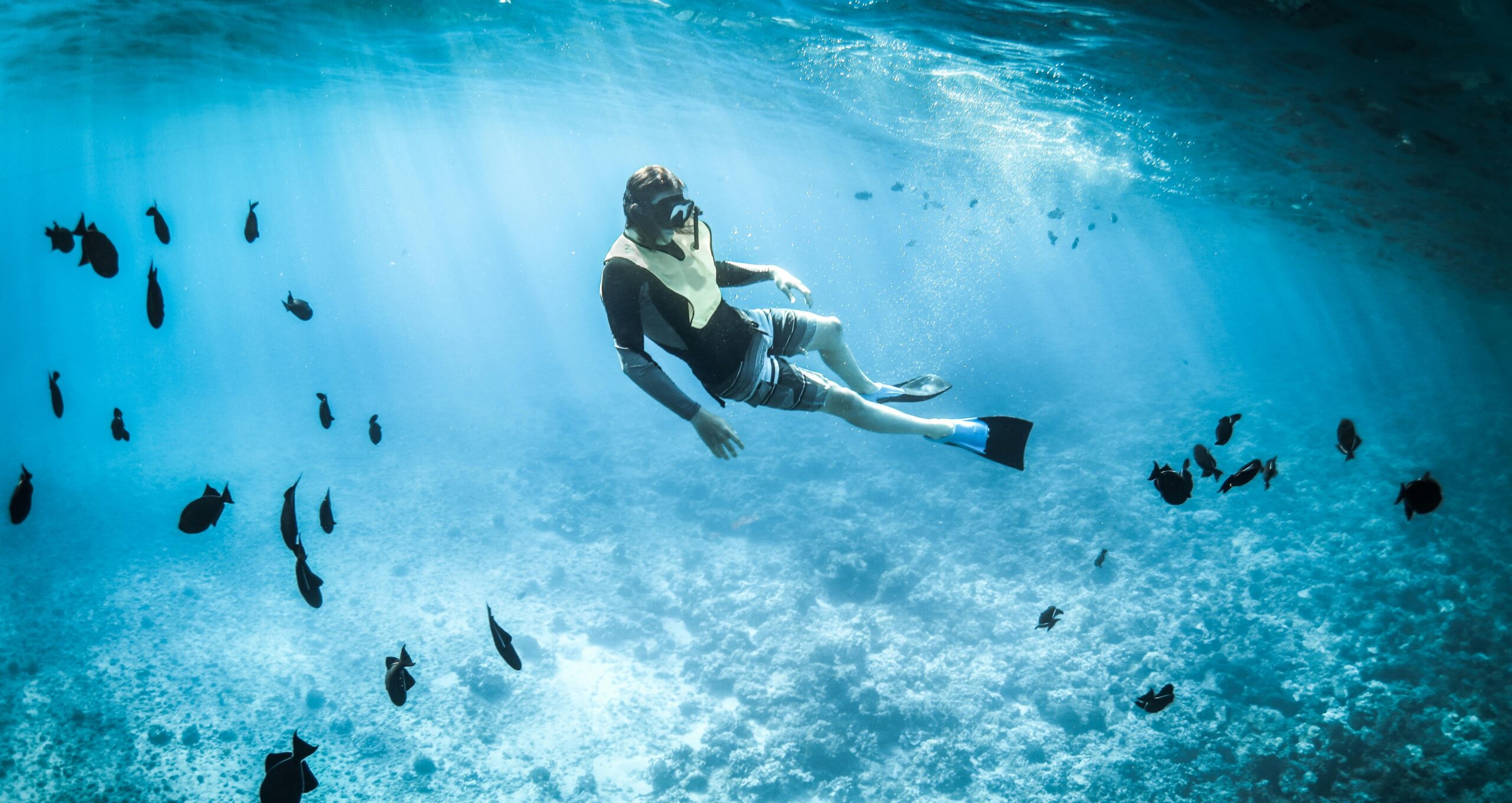
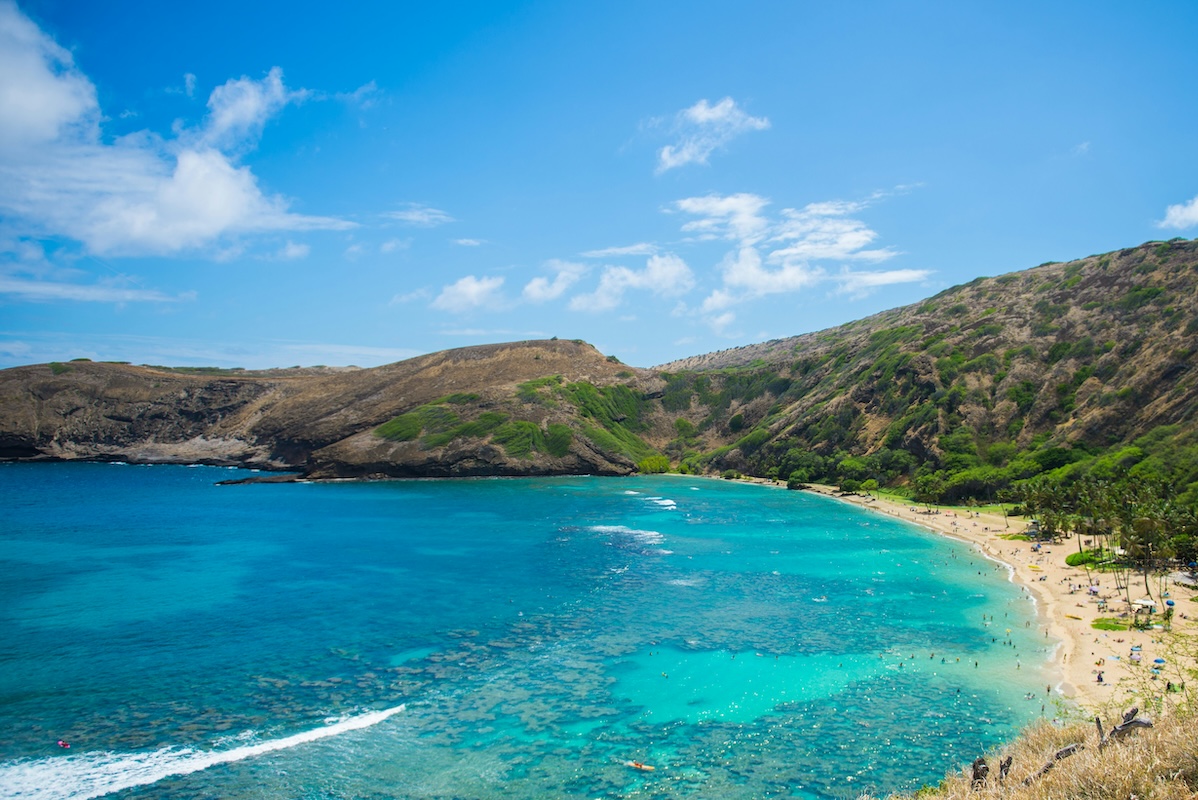
Hanauma Bay sits on the southeastern tip of Oʻahu, about 25 minutes from Honolulu. The bay formed inside an old volcanic crater, which now shelters a calm lagoon filled with coral and reef fish. The water stays shallow near the beach, making it ideal for first timers. Entry costs around $25 CAD, and you can rent gear on-site. The park closes once it reaches capacity, so early arrival is best.
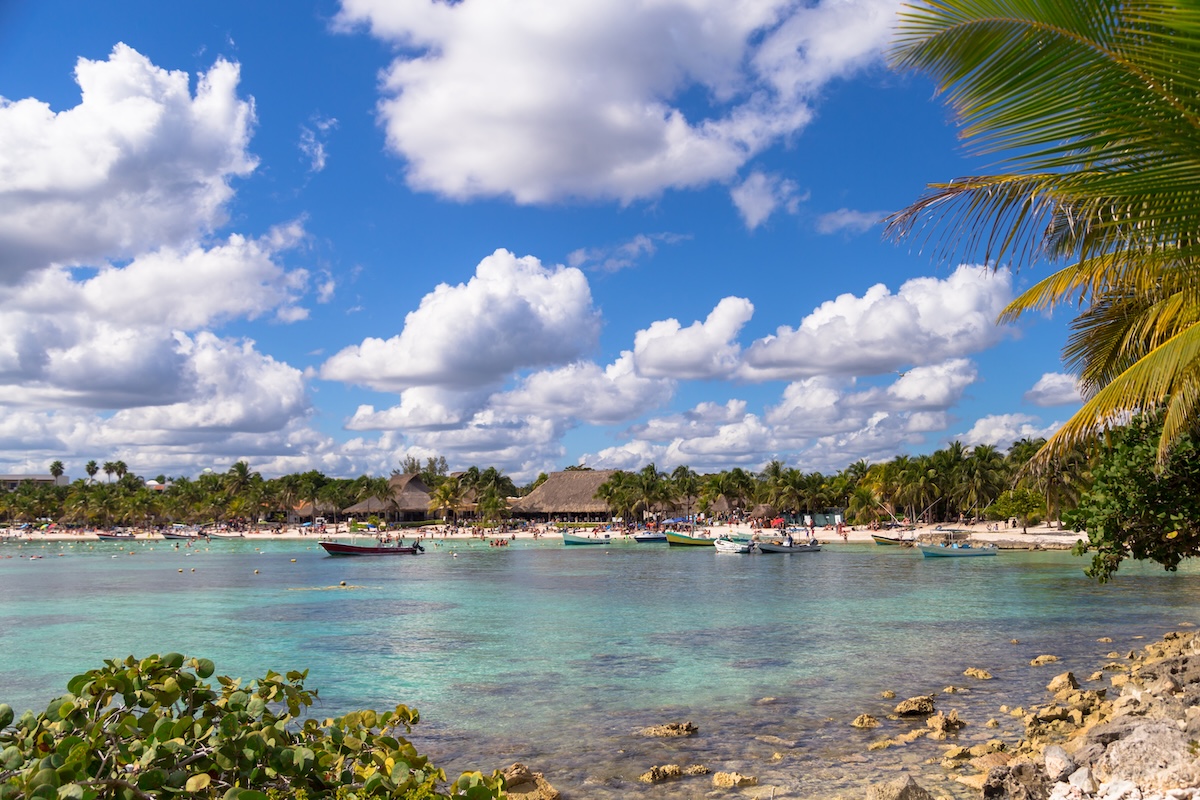
Akumal is a small beach town between Playa del Carmen and Tulum. The bay is famous for sea turtles that feed on seagrass close to shore, often visible in waist-deep water. The main beach is public, with a few small entry points through local shops and restaurants. There’s a modest access or parking fee, and basic snorkel sets rent for around $10-15.
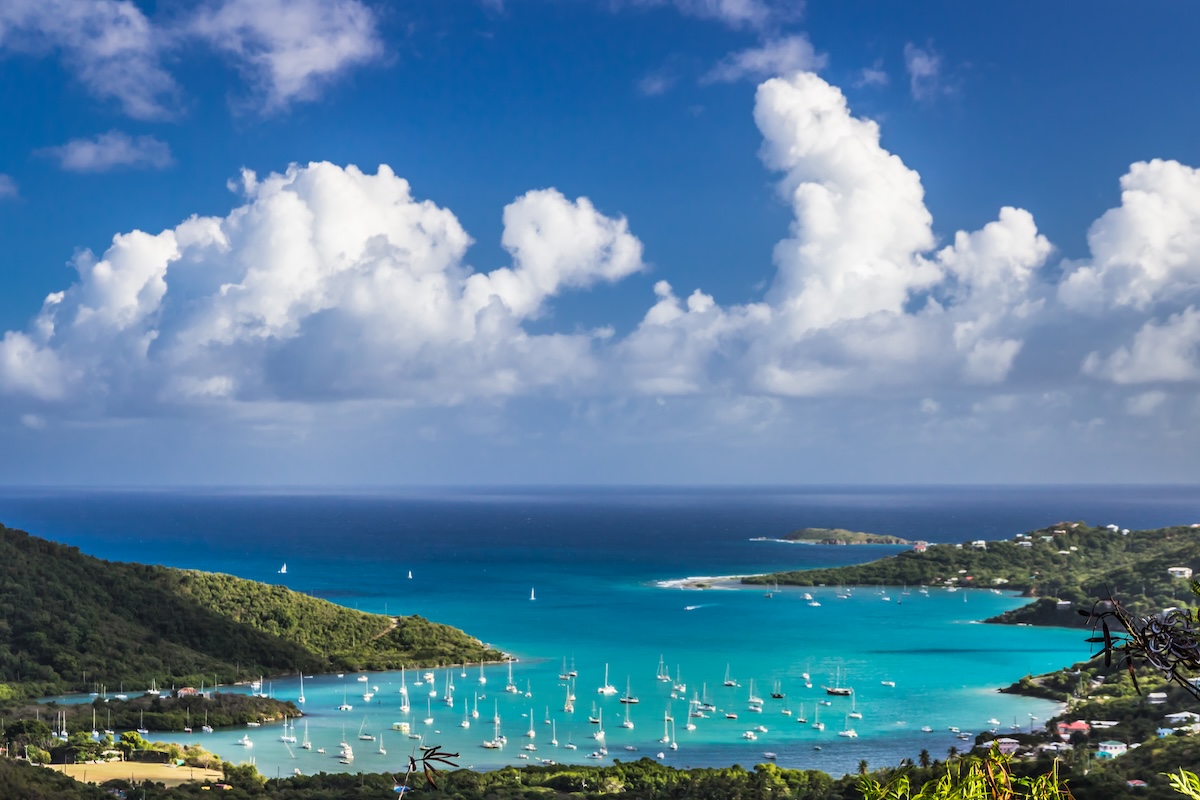
Located on the quiet eastern side of St. John, Coral Bay has protected water and small reefs just a few meters from the sand. The bay is less crowded than nearby Trunk Bay, and you can often spot parrotfish, tangs, and rays without swimming far out. The beach itself is free, and local guesthouses or small shops rent gear. Access is easiest by taxi or rental scooter from Cruz Bay.
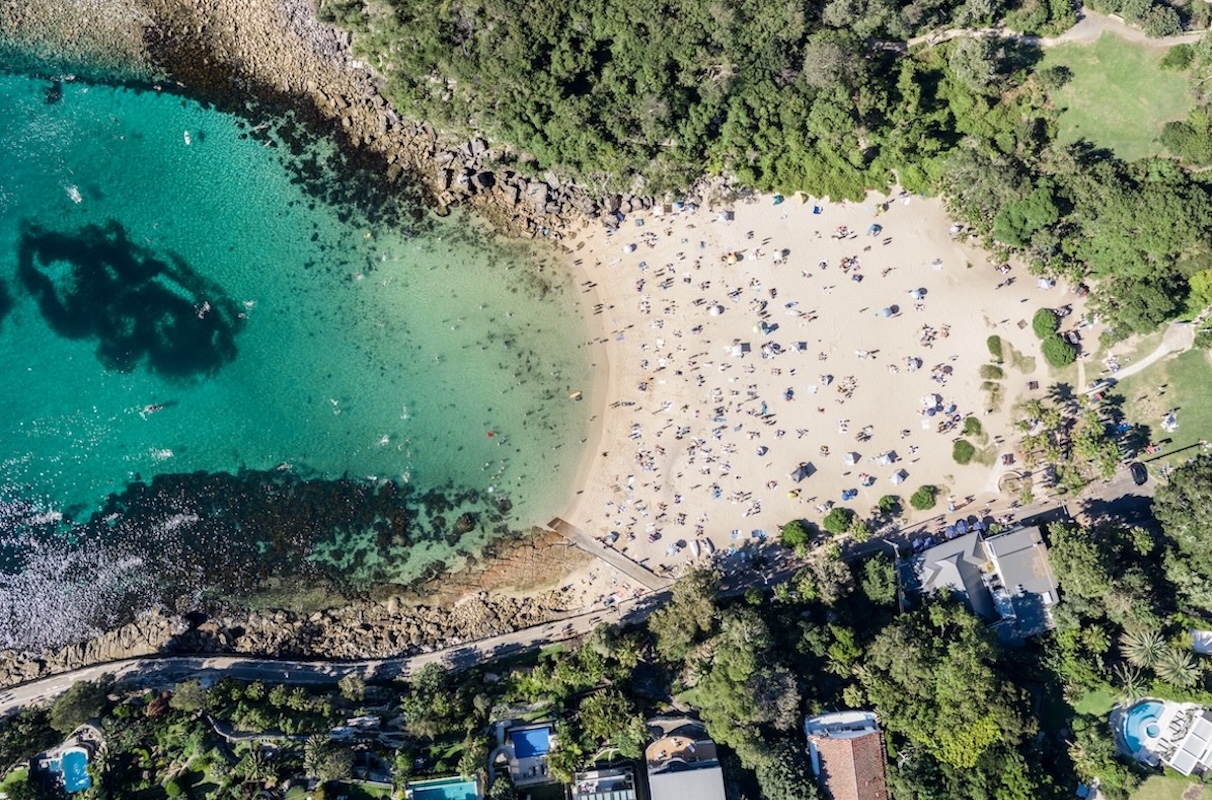
Cabbage Tree Bay is a short walk from Manly Beach in Sydney’s northern suburbs. The area is part of a protected aquatic reserve that starts directly at Shelly Beach. You can wade in from the sand and see schools of fish, rays, and even the occasional wobbegong shark. The water is usually calm thanks to the bay’s shape, and there’s no entry fee. Snorkel gear can be rented from surf shops near the promenade.
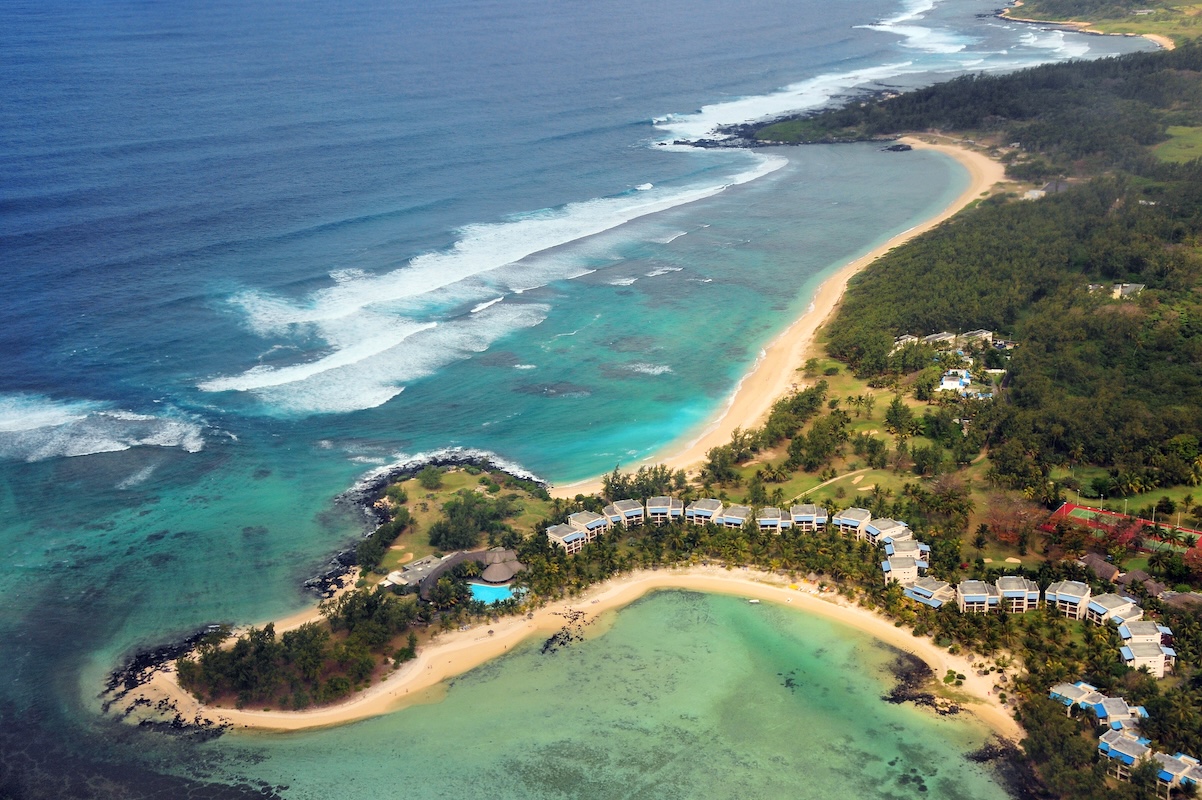
Blue Bay Marine Park lies on the island’s southeast coast, near the town of Mahébourg. It’s known for its calm turquoise water and a coral garden that begins less than 50 meters from shore. Most visitors enter from the public beach, which is free. Locals rent gear at small kiosks, and glass-bottom boat tours are optional if you want to explore deeper areas.
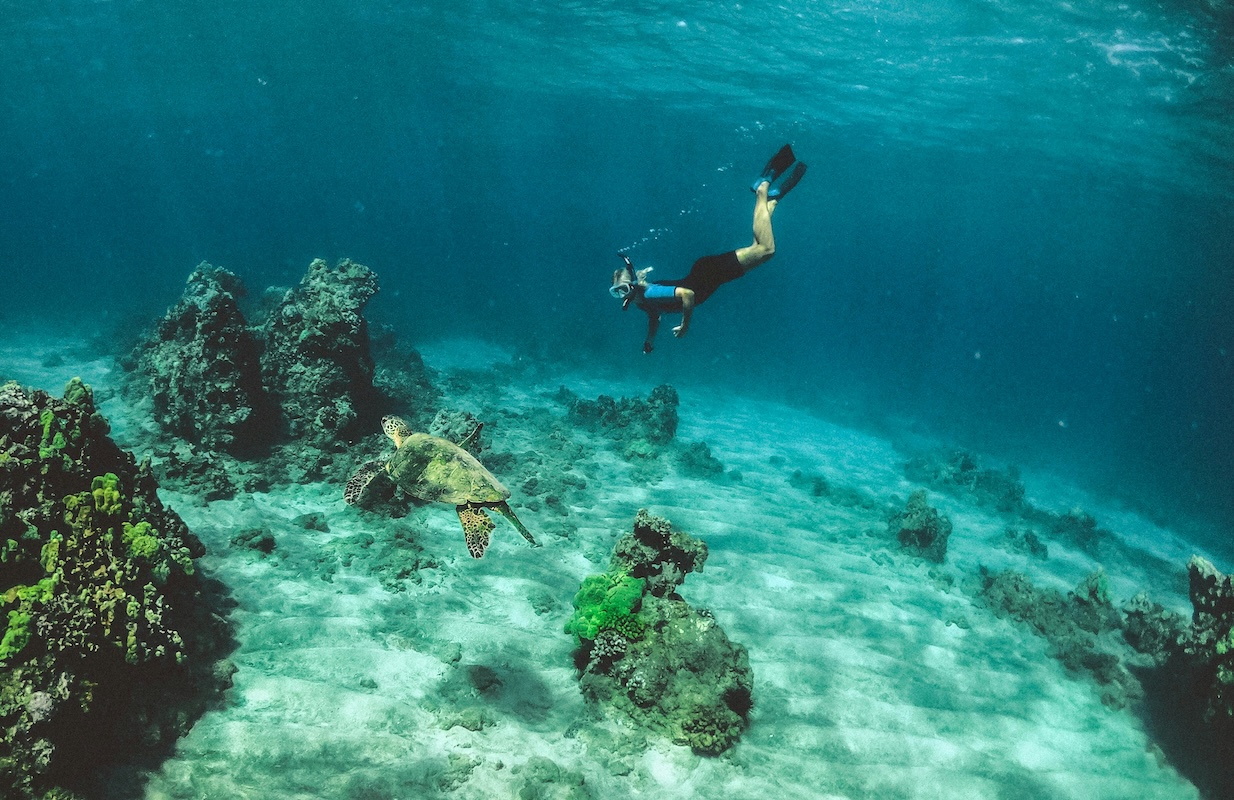
Malindi Marine Park sits on Kenya’s north coast, about two hours from Mombasa. The park’s beaches are quiet, and the coral reefs start close to shore. Morning is the best time to snorkel, when the tide is low and the water clear. Entry costs only a few dollars, and snorkel rentals are available from small stands near the gate.
Each of these spots keeps snorkeling simple: walk in, float, and explore. They’re easy to reach, safe for beginners, and affordable to enjoy for a few hours or a full day. Bring reef-safe sunscreen, check the tides, and stay close to the shore for clear water and calm conditions.

Some of the most memorable travel moments happen when you step away from tourist attractions and immerse yourself in the everyday traditions of a place. They are a chance to connec...
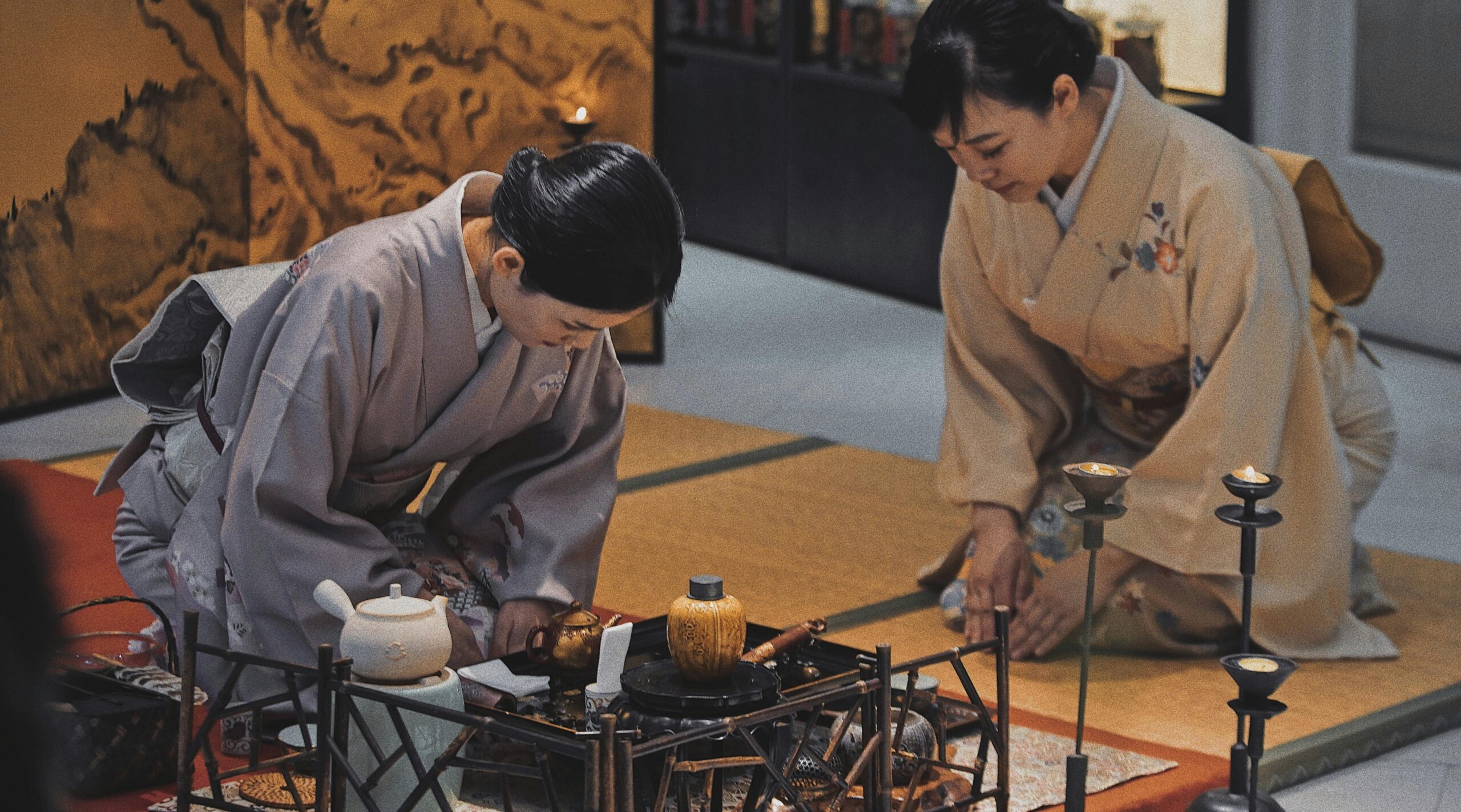
Stepping into a Japanese tea house feels like entering a space set apart from the outside world. While it may appear to be just the preparation of tea, the Japanese tea ceremony, a...