

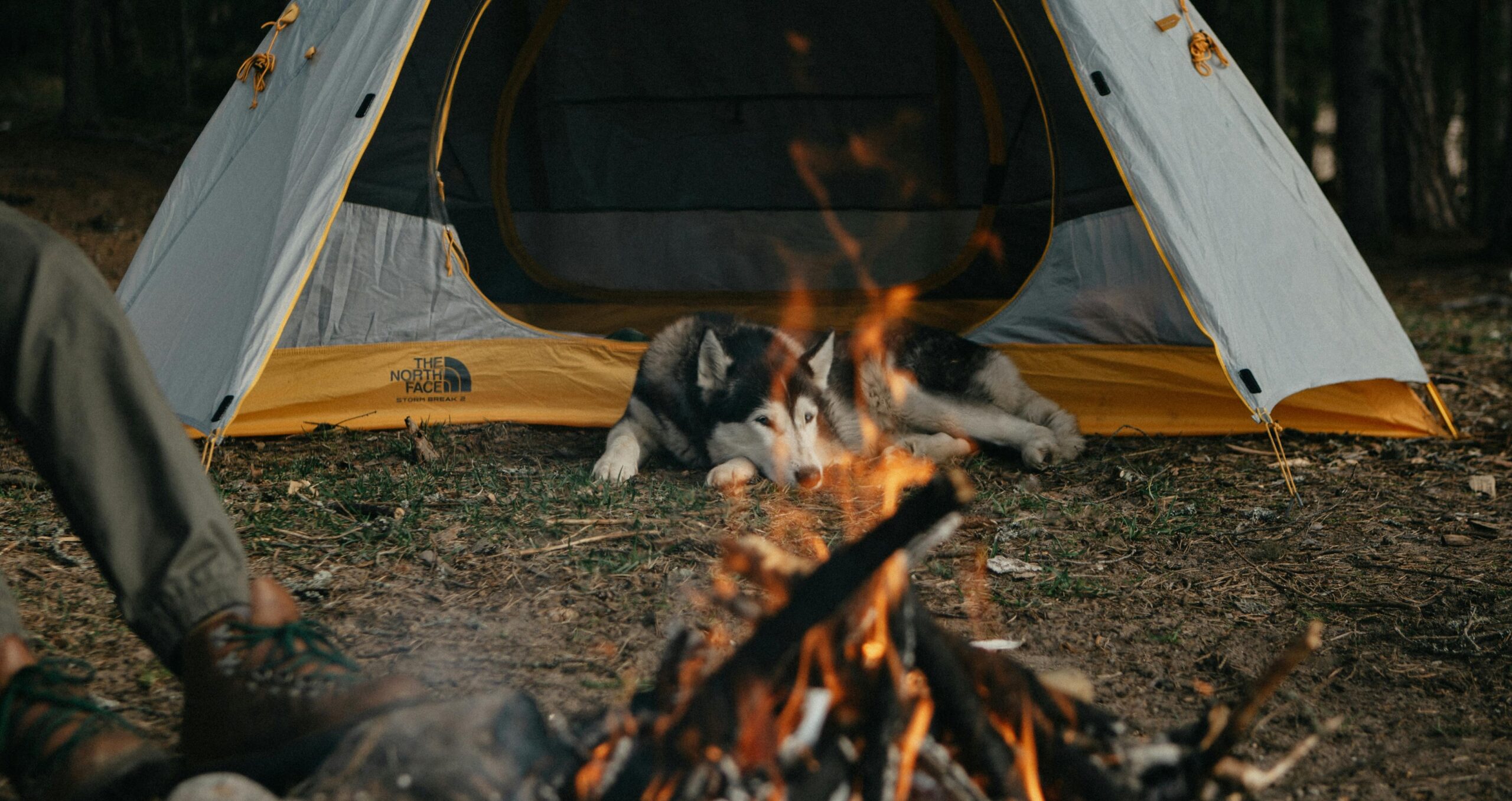
Start with the essentials. Ask friends if they have a tent, sleeping bag, or stove you can borrow. Many communities have gear libraries, outdoor clubs, or swap groups where people lend or trade equipment. Also, you can check local Facebook groups or Buy Nothing pages for loaners or used items. Borrowing a few big items can cut your costs in half and keep good gear in use instead of storage.
Free campsites are easier to find than most people think. Public land, national forests, and some conservation areas allow dispersed camping at no cost. If you prefer campgrounds with amenities, look at state or provincial parks. Basic tent sites often cost between $10 and $25 per night, and many include parking and fire pits.
You don’t need specialty food or dehydrated packs. Oatmeal, pasta, and sandwiches travel well and take little effort to cook. Bring a small cooler and a single burner stove if you have one or eat cold meals to save on fuel. Buying groceries in bulk and splitting portions with others can keep your total food cost under $25 for the weekend.
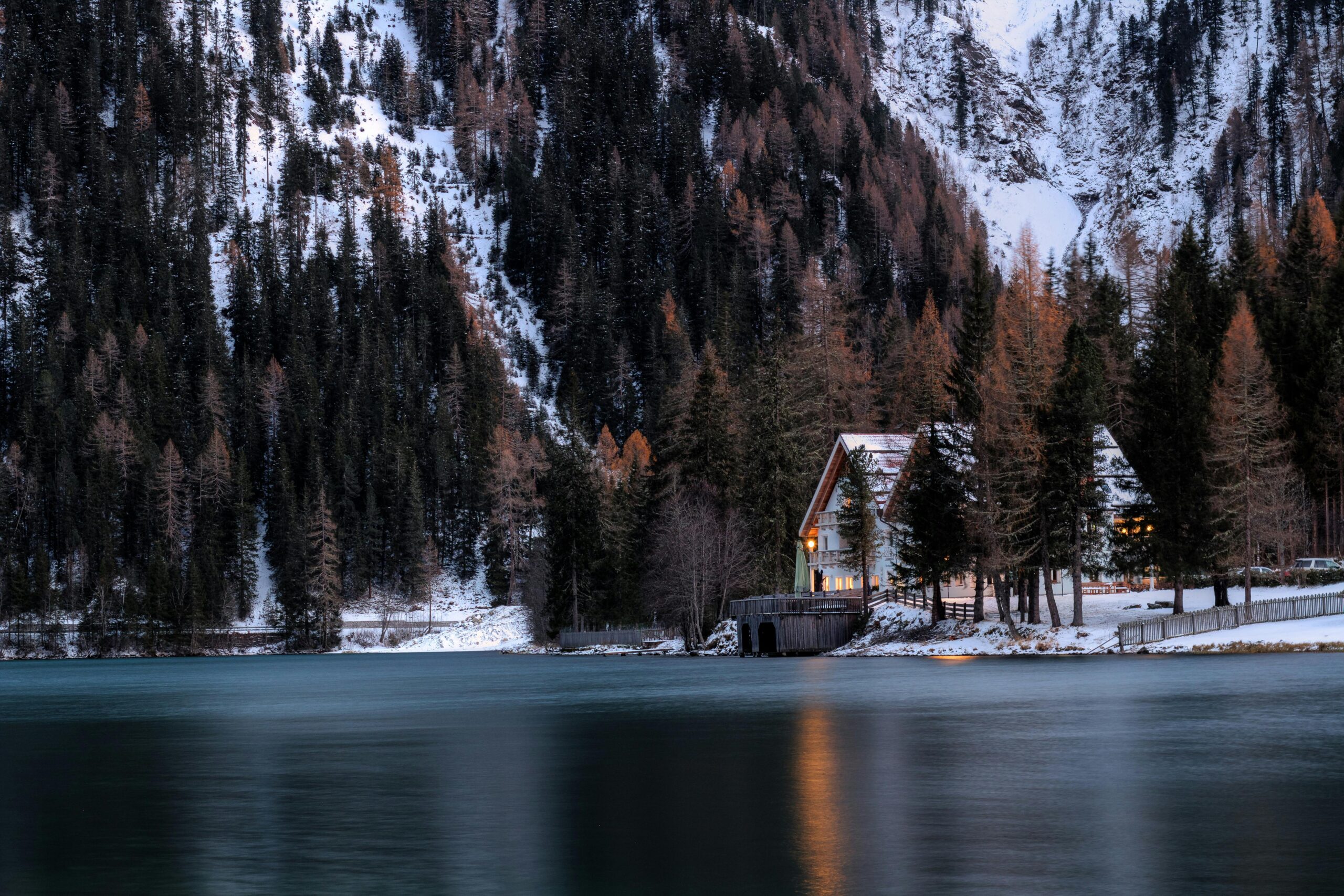
Winter travel often seems expensive when you think of luxury ski resorts. But a cozy winter getaway doesn’t have to cost a fortune. With smart planning and the right destination,...

Spring break is almost here, which means group chats are heating up with ideas, plans, and plenty of “Where should we go?” messages. Everyone's looking for an affordable trip t...