

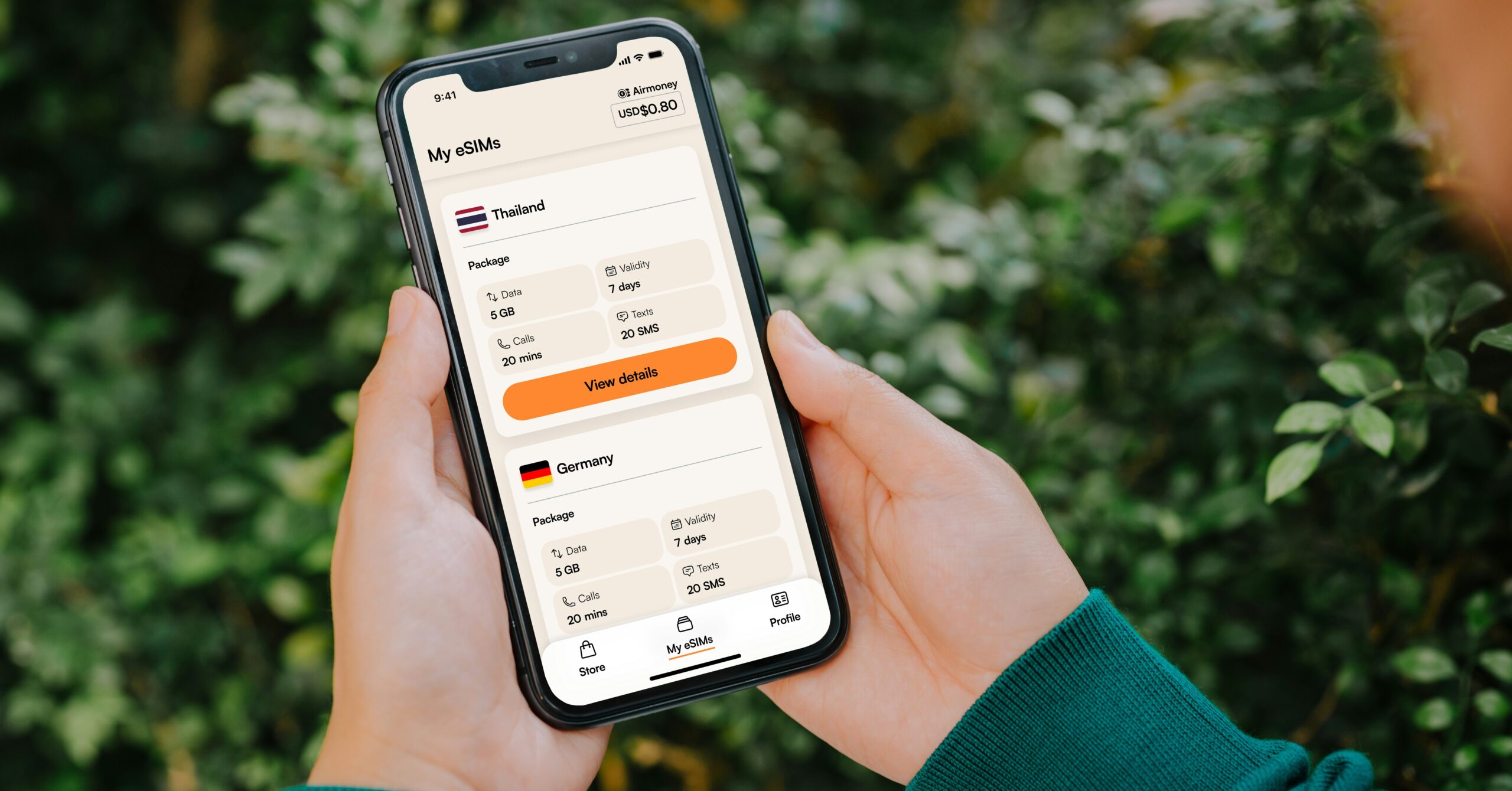
An eSIM allows your phone to connect as soon as you land. There is no need to search for a phone shop, handle physical SIM cards, or navigate setup instructions in an unfamiliar language. Access to maps, ride services, hotel confirmations, and messaging works immediately, which makes arrivals calmer and easier.
The cost side matters as well. Many travellers still rely on roaming or airport SIMs without realizing how expensive those options can be. This has started to shift as travel platforms integrate mobile data earlier in the booking process. FlightHub recently partnered with global eSIM provider Celitech to offer data plans across more than 190 destinations. These plans are designed to activate on arrival and can reduce data costs for Canadian travellers by up to 80 percent compared to traditional roaming. The emphasis is on straightforward access and clear pricing rather than last-minute problem solving.
What stands out is how quietly useful this kind of integration is. Connectivity becomes part of planning, alongside flights and accommodations, instead of something to deal with after things stop working. Travel comes with enough variables already. Delays, changes, and unexpected detours are easier to manage when your phone works the moment you need it. Having data from the start removes a layer of stress that often goes unnoticed until it is missing.
Before you finalize your packing list and itinerary, it helps to think about how you will stay connected. An eSIM is a small decision that can shape how smoothly your trip begins and how confidently you move through it.

I was looking at flights late one evening, half out of curiosity and half because I knew prices would not stay where they were. The dates worked, I loved my chosen destination, and...

The line moved slowly. I was standing just outside the airport exit waiting for a taxi. When it was finally my turn, the driver asked for cash. I hesitated, checked my wallet, and ...