
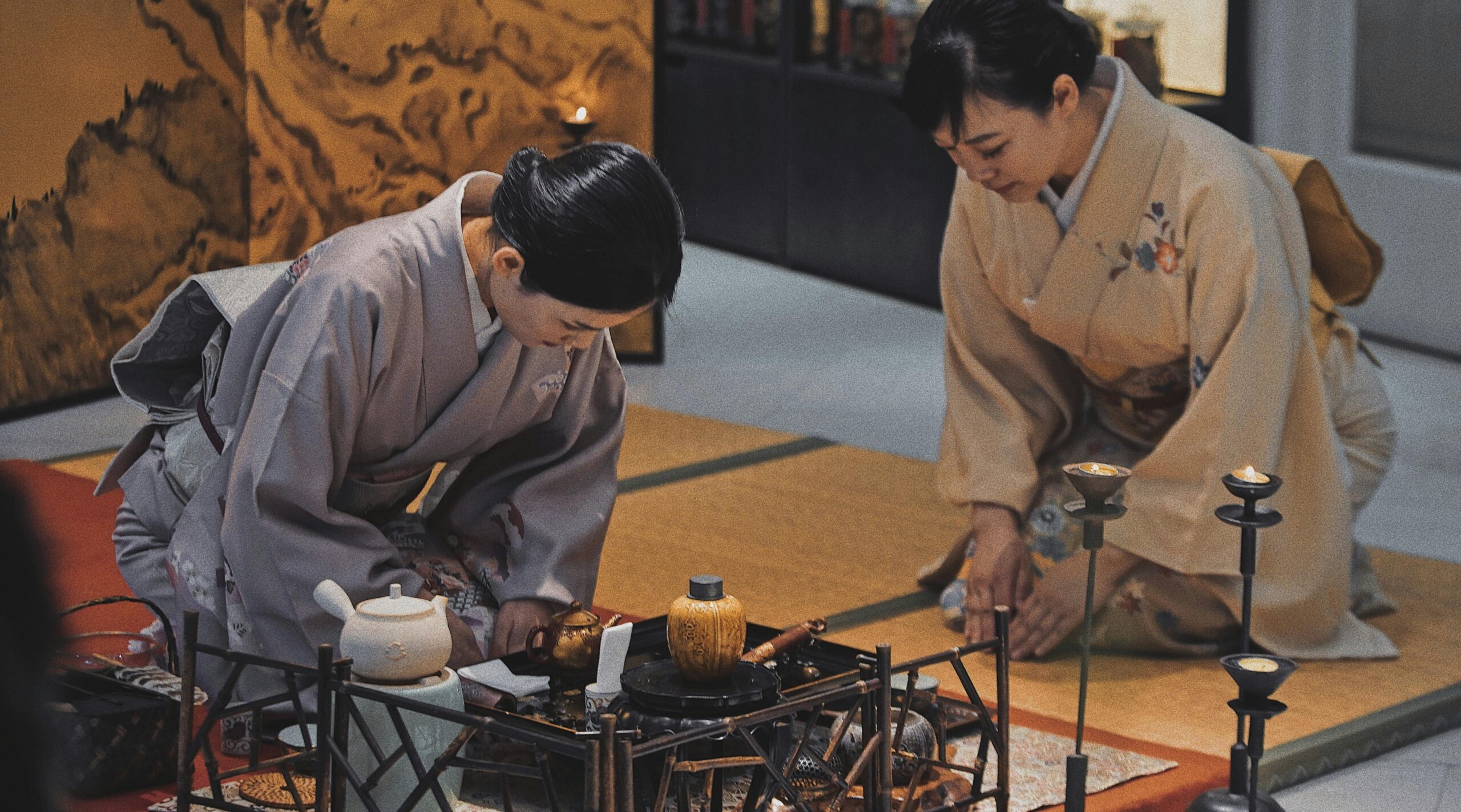
The roots of the tea ceremony trace back to the 1500s, when matcha, a powdered green tea, became popular in Japan. Influenced by Zen Buddhism, the ceremony evolved into a mindful practice that celebrated simplicity and the beauty of everyday objects. Much of what we see today was shaped by Sen no Rikyū, a renowned tea master who emphasized humility and imperfection. His philosophy still guides the layout of tea rooms, the design of utensils, and the thoughtful movements performed during the ceremony.
At its core, the tea ceremony isn’t just about preparing tea but also fostering connection and awareness. The four key principles that define the practice are harmony (wa), respect (kei),purity (sei), and tranquility (jaku). These values are present in everything from how guests enter the tea house to the way a tea bowl is passed around and admired. Each step encourages slowing down and appreciating the present moment.
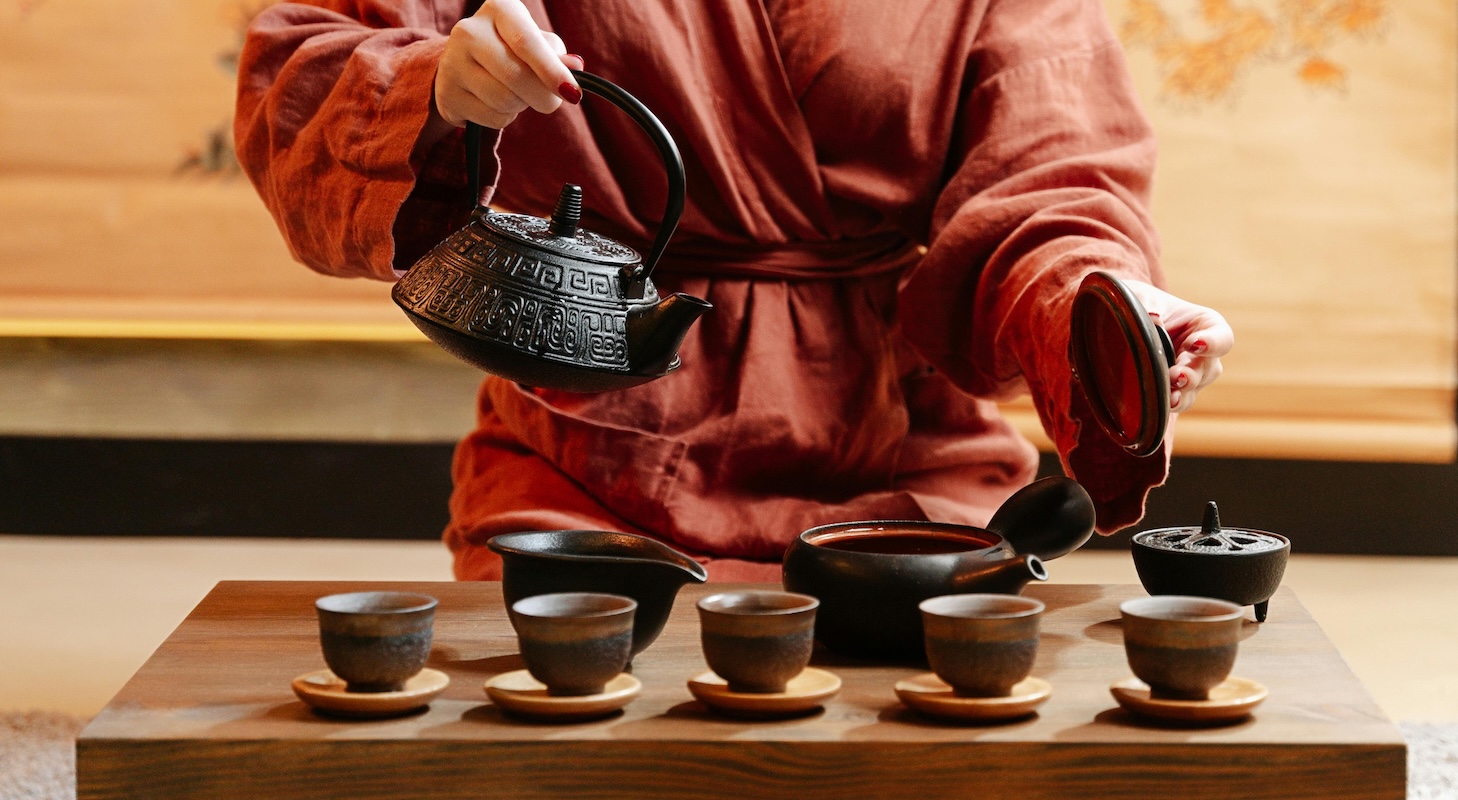
Traditional ceremonies take place in tea houses or rooms with tatami mats, sliding doors, and minimal decoration. Guests typically begin by washing their hands, symbolizing a clearing of the mind before entering. The host prepares the tea with precise, graceful motions using carefully selected tools: the chawan (tea bowl), chasen (bamboo whisk), and chashaku (tea scoop). Some ceremonies are elaborate, lasting several hours and including a meal, while others are shorter and designed for visitors who want to experience the essence of the tradition.
Kyoto is home to some of the most historic tea houses, many of which have been serving guests for generations. Tokyo, Kanazawa, and other cities also offer tea ceremonies in both traditional and modern settings. Travellers don’t need to know all the rules to participate, because simply arriving on time, dressing modestly, and showing attentiveness are signs of respect.
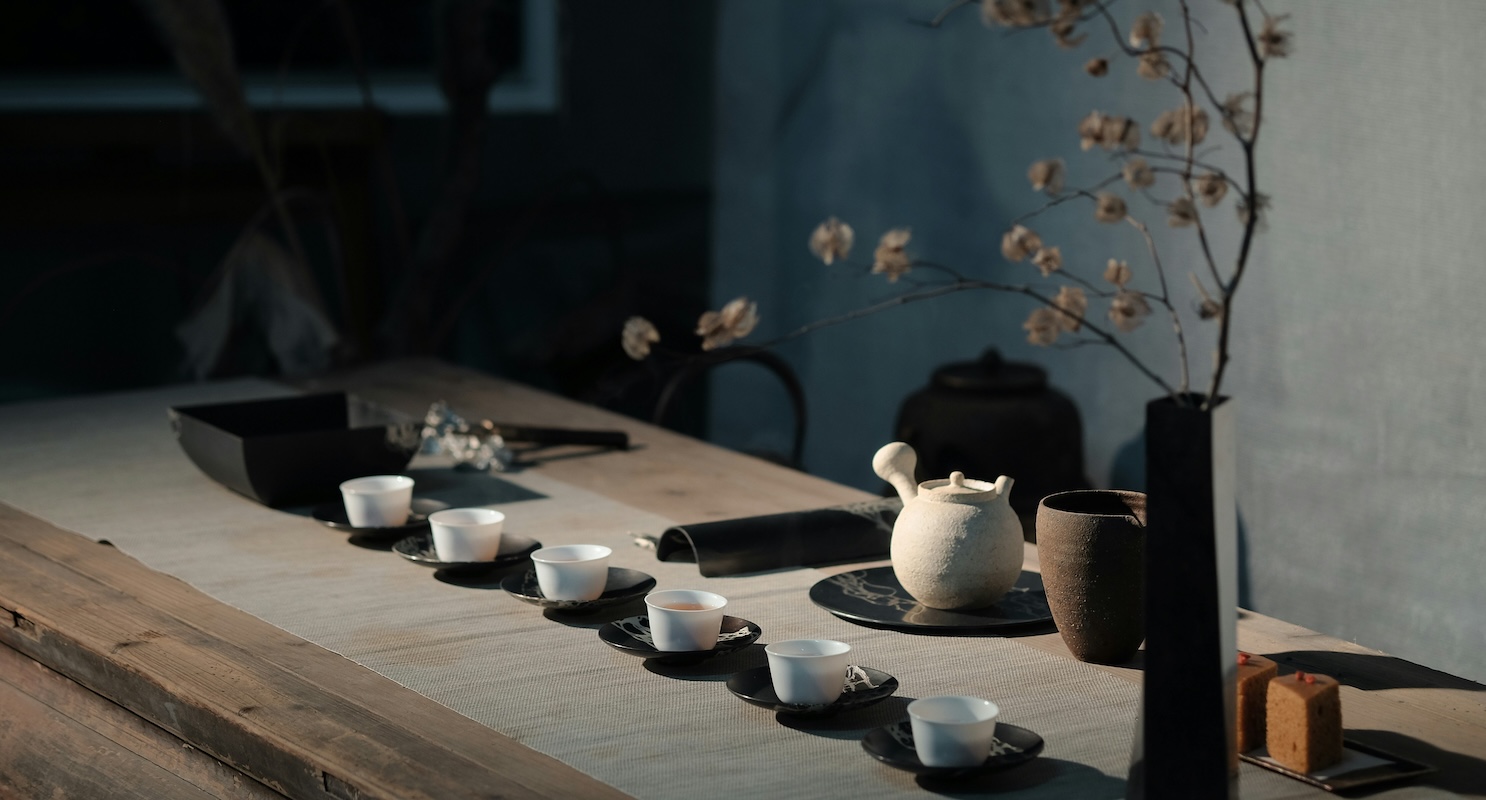
For many travellers, a tea ceremony becomes a highlight of their trip. It offers a rare pause amid sightseeing and city exploration. Essentially, it’s a chance to step into a tradition that has been carefully preserved for centuries and to experience a piece of Japanese culture in its most authentic form.

I decided to set aside twenty-five dollars for a full day of eating in Montreal. The goal was simple: to explore the city through some of its most beloved local spots without break...
One afternoon, after walking in Chiang Mai longer than I should have, I saw a hand-painted sign for an herbal steam hut in a quiet alley. The price was low enough to try without he...