
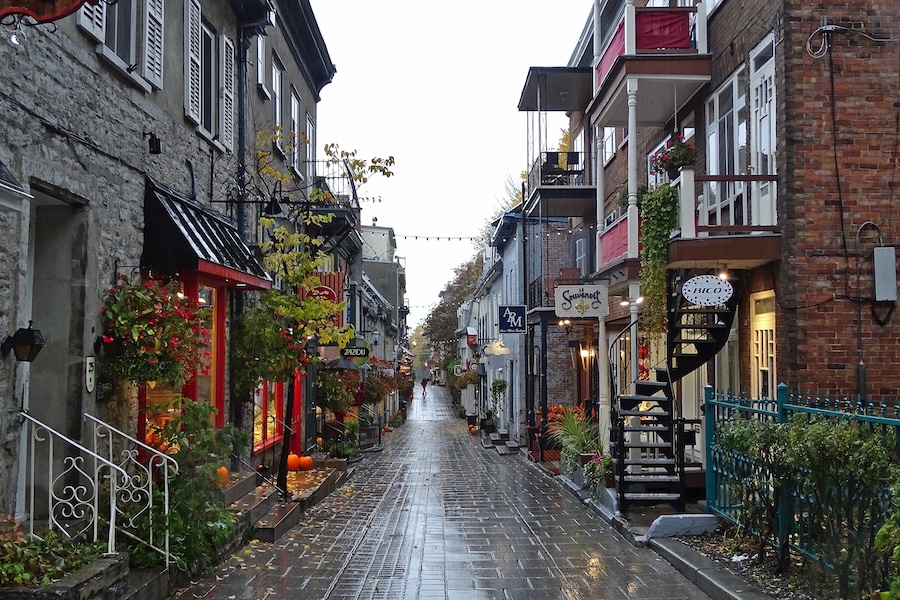
Rue du Petit-Champlain is often described as one of the most picturesque streets in Canada, but its significance goes far beyond that. Dating back to the early 1600s, this narrow street was part of the original settlement founded by Samuel de Champlain. In the early days, it served as a hub for shipbuilders, merchants, and workers who relied on the river for trade. Today, rue du Petit-Champlain is filled with boutiques, cafés, and artisan shops, but it remains a reminder of Quebec City’s origins as an active port and trading center.
Rue Saint-Jean has long been one of the city’s main streets. It connects the area outside the fortified walls with the heart of Old Quebec, making it an essential route for centuries. Historically, this street was used by farmers and traders bringing goods into the city. Now, Rue Saint-Jean blends past and present. Along with historic landmarks, it’s lined with restaurants, bakeries, and shops, making it one of the most popular places for both visitors and locals to gather.
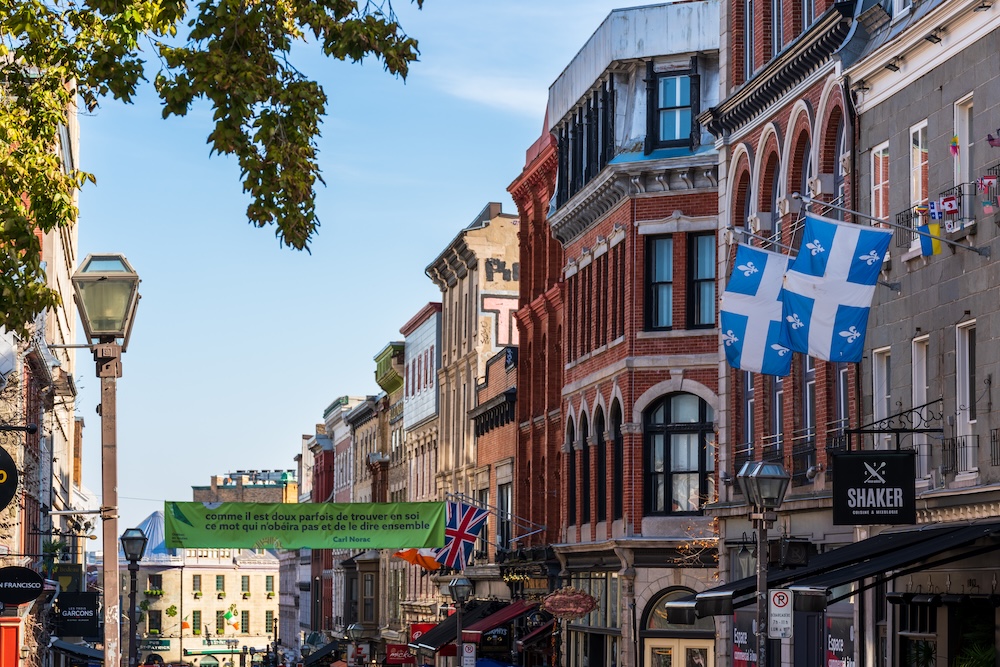
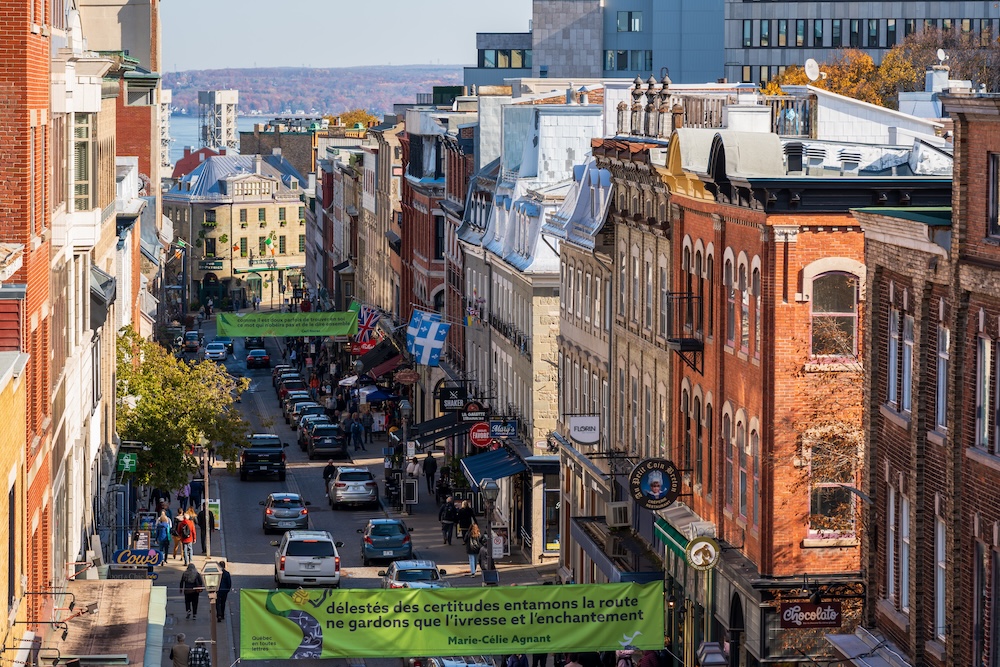
Rue Sainte-Anne is quieter than some of the city’s busier streets, but its history runs deep. In the past, this area was closely tied to religious and cultural life. Several churches and religious institutions were established here, leaving a legacy that can still be seen in the architecture today. The street is also home to a mix of historic buildings and modern establishments, showing how Quebec City has evolved over time while staying connected to its roots.
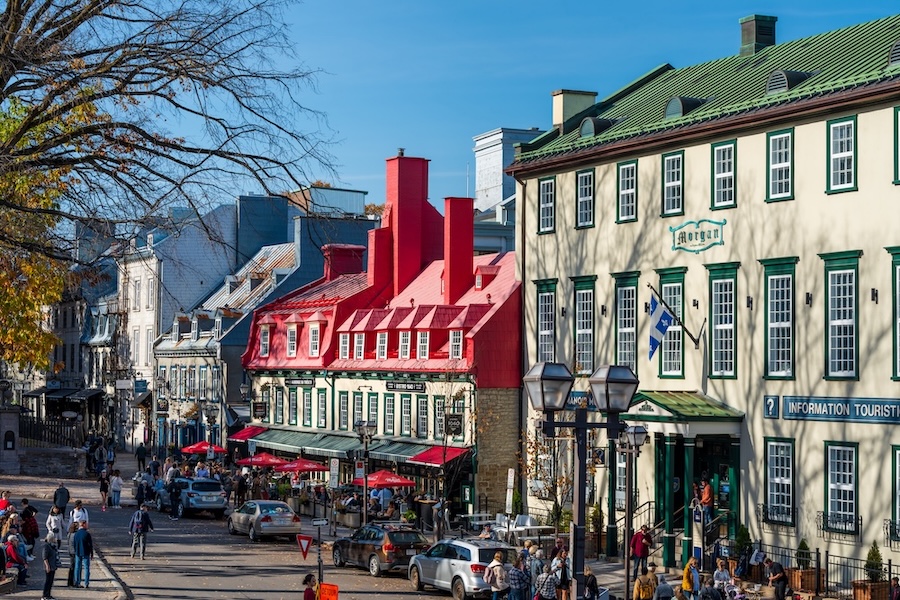
Exploring these streets offers more than a chance to admire beautiful architecture. Each one tells part of the story of Quebec City’s growth and resilience. They highlight how trade, faith, and community shaped the city, while their preservation ensures future generations can experience this history firsthand. For visitors, walking these streets is a way to step back in time while still enjoying the vibrant culture and energy that defines Quebec City today.
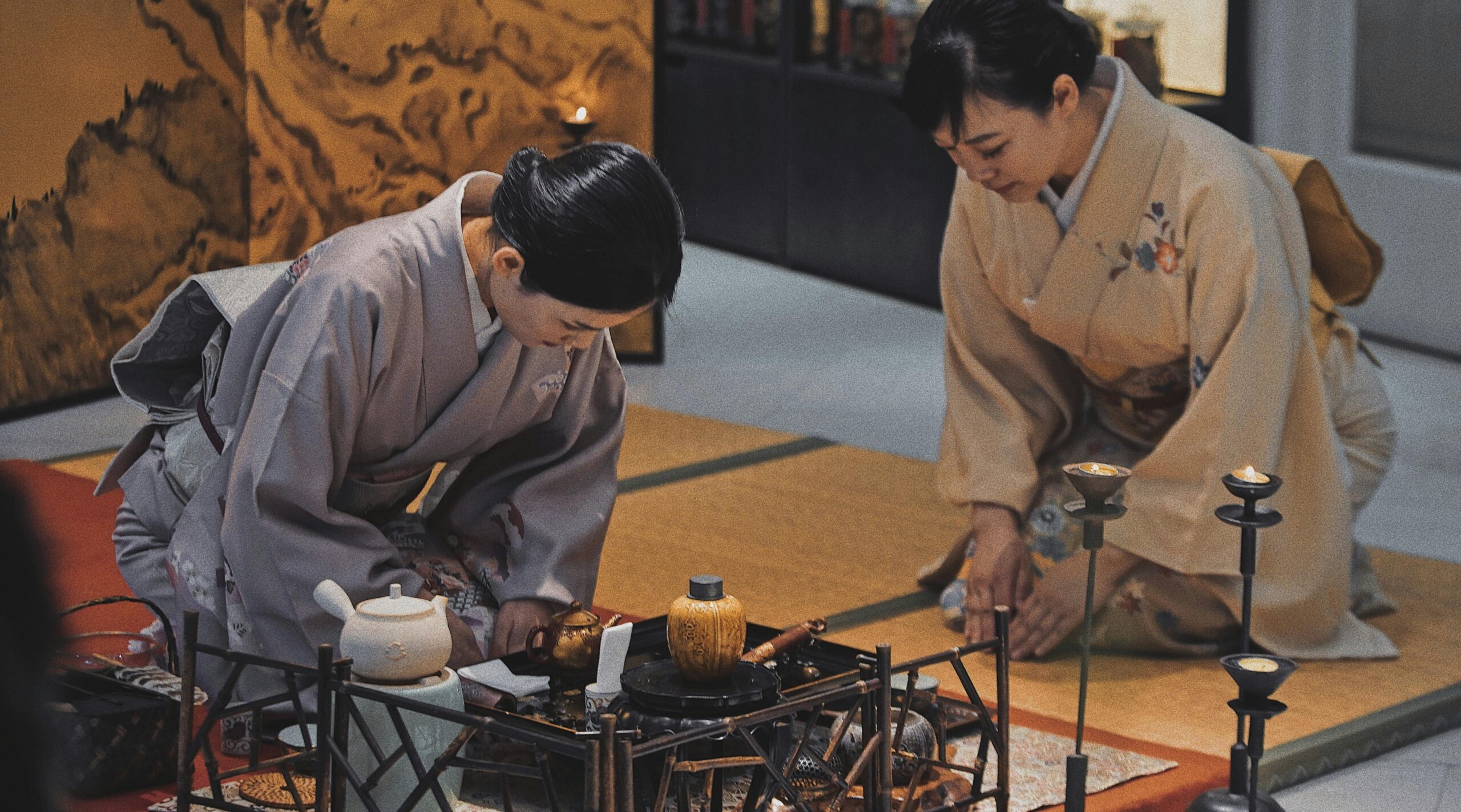
Stepping into a Japanese tea house feels like entering a space set apart from the outside world. While it may appear to be just the preparation of tea, the Japanese tea ceremony, a...
One afternoon, after walking in Chiang Mai longer than I should have, I saw a hand-painted sign for an herbal steam hut in a quiet alley. The price was low enough to try without he...